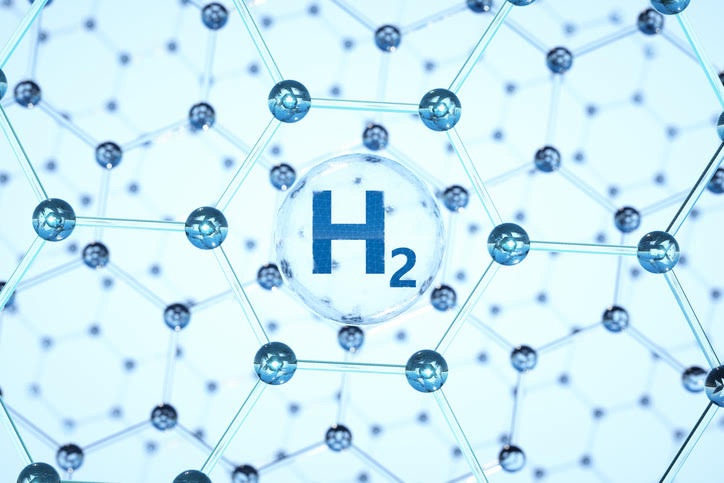
Hydrogen Inhaler therapy involves inhaling molecular hydrogen gas, which has powerful antioxidant and anti-inflammatory properties. This therapy supports cellular health and helps combat oxidative stress, promoting overall well-being.
Reduces Oxidative Stress and Inflammation: Molecular hydrogen acts as a selective antioxidant, reducing oxidative stress and inflammation at the cellular level (Ohta, 2014).
Enhances Cognitive Function and Mental Clarity: Hydrogen inhalation has been shown to improve cognitive function and protect against neurodegenerative diseases (Nakai et al., 2020).
Supports Cardiovascular Health: By reducing oxidative stress and inflammation, hydrogen inhalation can help maintain cardiovascular health (Ohsawa et al., 2007).
Boosts Energy Levels and Reduces Fatigue: Hydrogen therapy can enhance mitochondrial function, leading to increased energy production and reduced fatigue (LeBaron et al., 2019).
Promotes Overall Cellular Health and Longevity: Hydrogen’s antioxidant properties support cellular health and longevity, contributing to overall well-being (Ohta, 2014).
Research References
Ohta, S. (2014). Molecular hydrogen as a novel antioxidant: overview of the advantages of hydrogen for medical applications. Methods in Enzymology, 555, 289-317.
Nakai, Y., Sato, B., et al. (2020). Hydrogen inhalation during normoxic resuscitation improves neurological outcomes in a rat model of cardiac arrest independently of targeted temperature management. Journal of the American Heart Association, 9(3), e014458.
Ohsawa, I., Ishikawa, M., et al. (2007). Hydrogen acts as a therapeutic antioxidant by selectively reducing cytotoxic oxygen radicals. Nature Medicine, 13(6), 688-694.
LeBaron, T. W., Laher, I., et al. (2019). Hydrogen gas: From clinical medicine to an emerging ergogenic molecule for sports athletes. Canadian Journal of Physiology and Pharmacology, 97(9), 791-801.